


If you’re thinking about building a home in Vermont, you’re not alone—and yes, it is exciting. It’s also completely normal to feel unsure about where to begin. Building here looks very different than it does in many other states, and understanding that early can save you a lot of stress, time, and money.
Before you start looking at floor plans, finishes, or design inspiration, there’s one foundational thing you need to understand. In Vermont, there are two primary paths to building a home, and each comes with very different costs, timelines, and financing structures. Once you understand those differences, the rest of the process becomes much clearer.
So let’s start by choosing your path.

Option One: Buying Raw Land and Building a Custom Home
This is often the option buyers imagine first. You picture finding the perfect piece of land, designing exactly what you want, and building a home that reflects your vision from the ground up. That flexibility is real, and for some buyers, it’s exactly what they’re looking for.
However, building on raw land in Vermont also comes with significantly more responsibility. You are truly starting from scratch. Before a house ever begins to take shape, you’ll need to navigate land acquisition, permitting, wastewater approvals, driveway installation, utilities, and extensive site work. Each of these steps requires careful planning and coordination, and they often take longer than buyers expect.
Because of this complexity, many buyers choose to work with a general contractor. A good GC helps manage permits, coordinates subcontractors, and oversees the build process from excavation through completion. While this doesn’t remove every decision from your plate, it does help keep the project organized and moving forward in a more predictable way.
Costs and Financing for Building on Raw Land
To put realistic numbers behind this option, buildable land in many parts of Vermont averages around $150,000, though that can vary widely depending on location. If you’re financing the land, most lenders require at least ten percent down, plus closing costs.
Once you move into the construction phase, financing shifts again. Construction loans typically require around twenty percent down on the total project cost. For example, a $500,000 build often means you’ll need roughly $100,000 in cash before construction can begin.
Beyond the house itself, site preparation is one of the most commonly underestimated expenses. Driveway installation, excavation, and bringing utilities to the site can easily range from $40,000 to $80,000, and sometimes more depending on the property.
Build costs alone generally range from $300 to $600 per square foot. Even at the low end, a 1,500-square-foot home can land around $525,000 just for construction. Larger homes or higher-performance builds increase in cost quickly. A 2,000-square-foot home with energy-efficient systems and upgraded finishes can reach $800,000 or more, and in some cases exceed one million dollars.
Most buyers purchase the land first and then use a construction loan with interest-only payments during the build, which later converts to a traditional mortgage. Working with a local lender early in the process is especially important in Vermont and can prevent unnecessary delays later.
Timeline: How Long a Custom Build Really Takes
Building on raw land is not a fast process, and having realistic expectations matters.
From the time you purchase land to when construction begins, it’s common to spend six to eight months navigating permits, engineering, and site preparation. Vertical construction often takes another six to eight months, assuming weather cooperates.
From start to finish, most buyers should realistically plan for a twelve- to twenty-four-month timeline. In Vermont, seasonal delays are normal. It’s common to see foundations poured in late summer, with framing paused until spring if winter temperatures interfere with exterior work. These pauses are part of building here and should be expected rather than feared.
Critical Risks to Understand Before Buying Land
When considering raw land in Vermont, there is one non-negotiable question you must ask early: Does the property already have an approved three- or four-bedroom septic or wastewater permit?
If it does not, the land may not be buildable at all, or it may require costly testing and engineering before you can move forward.
It’s also important to understand that Vermont land often comes with unique challenges. Steep slopes, ledge, limited road access, and difficult soil conditions are common and can significantly affect both cost and timeline. Thorough due diligence and working with professionals who understand local conditions can make the difference between a smooth build and a very expensive surprise.
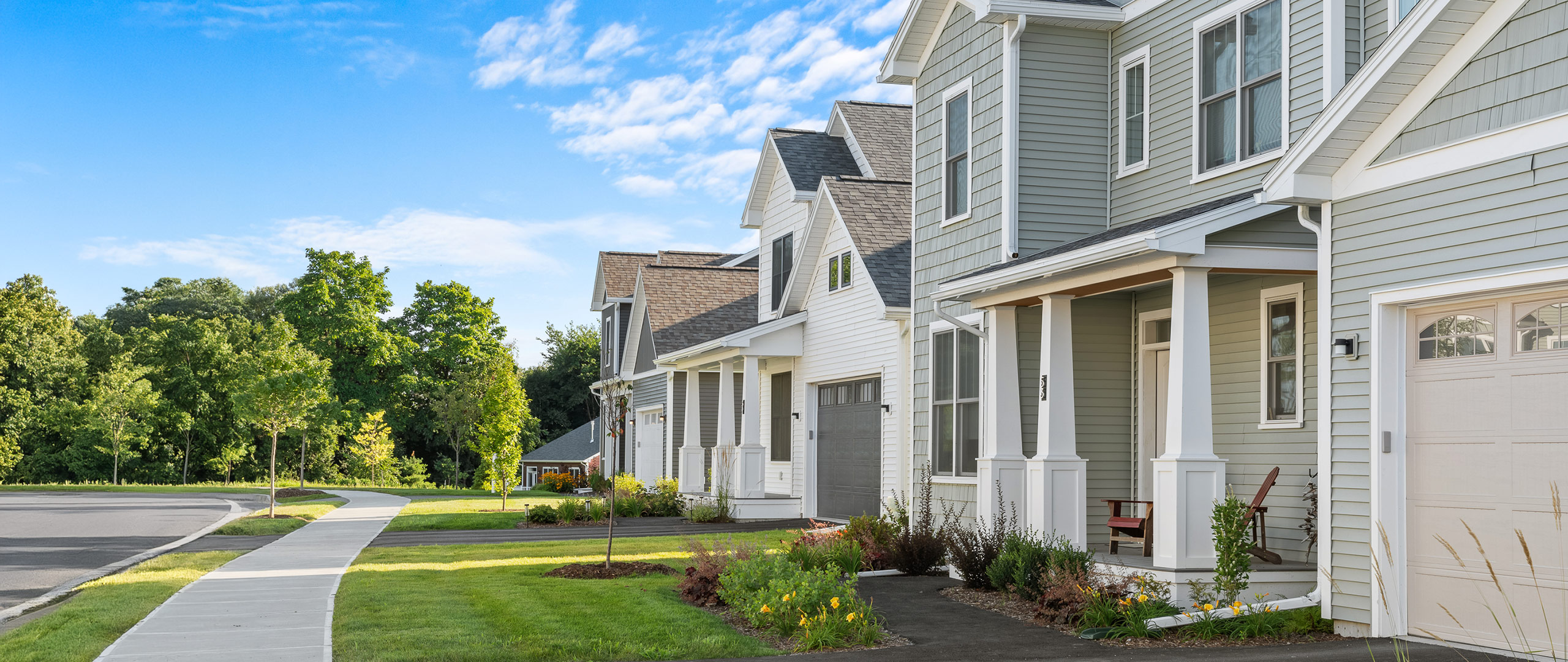
Option Two: Developer Build Packages
For many buyers, this is the most popular—and most manageable—path to building a home in Vermont.
With a developer build package, the builder already controls the land and has completed much of the upfront work. Permits, wastewater approvals, site planning, and utilities are typically already in place or well underway. This removes many of the unknowns that come with raw land and creates a much more predictable experience.
While you won’t usually have complete design freedom, most developers offer a level of customization, especially if you get under contract early. Buyers may be able to select finishes, colors, and certain layout options, which often feels like a comfortable middle ground between full customization and simplicity.
Costs and Financing for Developer Builds
One of the biggest advantages of a developer build is clarity. Because the land and infrastructure are already included, buyers aren’t juggling multiple loans or surprise site costs.
In Chittenden County and surrounding areas, new construction prices typically range from about $400,000 to just over $800,000. The final price depends on the type of home, the size, and the specific location.
Financing is also much more straightforward. Instead of buying land separately, buyers usually enter directly into a purchase agreement with the builder. A deposit of around twenty percent is common, and that deposit is often non-refundable once construction begins. The remaining balance is financed with a traditional mortgage that closes when the home is complete.
This structure makes developer builds easier to plan for financially, especially for buyers who are relocating or coordinating the sale of another home.
Timeline: How Long Developer Builds Take
Compared to building on raw land, developer builds are significantly faster.
Most established developers in Vermont are delivering homes in roughly six to eight months from contract to completion. If the foundation or framing is already complete, that timeline can shrink closer to five months or even less.
Weather can still play a role, particularly during colder months, but overall this option is far more predictable and efficient.
Important Considerations with Developer Builds
Even though this path is simpler, there are still details that matter. Customization options are time-sensitive, meaning the earlier you go under contract, the more choices you’ll have. Once construction reaches certain milestones, changes may no longer be possible.
It’s also important to review the builder’s contract carefully. Understanding timelines, allowances, and what is included in the base price versus what counts as an upgrade can help prevent misunderstandings later. While this option reduces risk, it doesn’t eliminate the value of professional guidance. Having a local agent who understands new construction contracts can help protect your interests and keep expectations realistic.
Final Thoughts: Choosing the Right Path for You
When it comes down to it, building a home in Vermont isn’t about right or wrong. It’s about choosing the path that aligns with your budget, timeline, and comfort level with complexity.
If you have flexibility, a larger budget, and want to be deeply involved in the process, building on raw land may make sense. If you prefer predictability, a defined budget, and a shorter timeline, a developer build package is often the smarter choice.
Neither option is inherently better—but one will almost always be better for you.
If you’re thinking about building in Vermont and want help deciding which path fits your situation, I’d love to help.
📩 Send me a message to talk through your goals or to learn about current developments worth considering.


